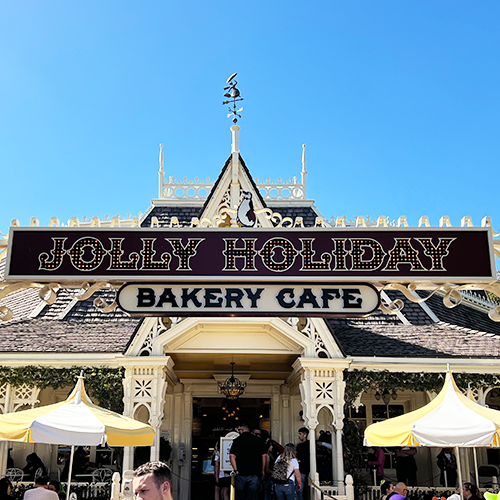
If you've not been to Disneyland for a while, you'll hardly know the place.
Disneyland Park, the original Disney theme park and the only one that Walt Disney saw completed in his lifetime. Much more than the Magic Kingdom at Walt Disney World, Disneyland Park embodies the quiet, charming spirit of nostalgia that so characterized Walt himself. the park is vast yet intimate, steeped in the tradition of its creator yet continually changing.
Disneyland was opened in 1955 on a 107-acre tract surrounded almost exclusively by orange groves, just west of the sleepy and little-known Southern California community of Anaheim. Constrained by finances and ultimately enveloped by the city it helped create, Disneyland operated on that same modest parcel of land until 2001.
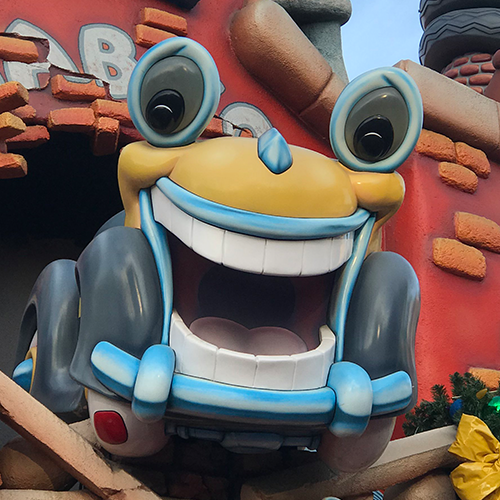
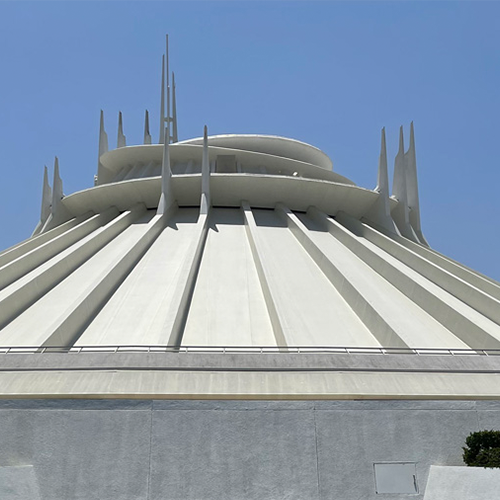
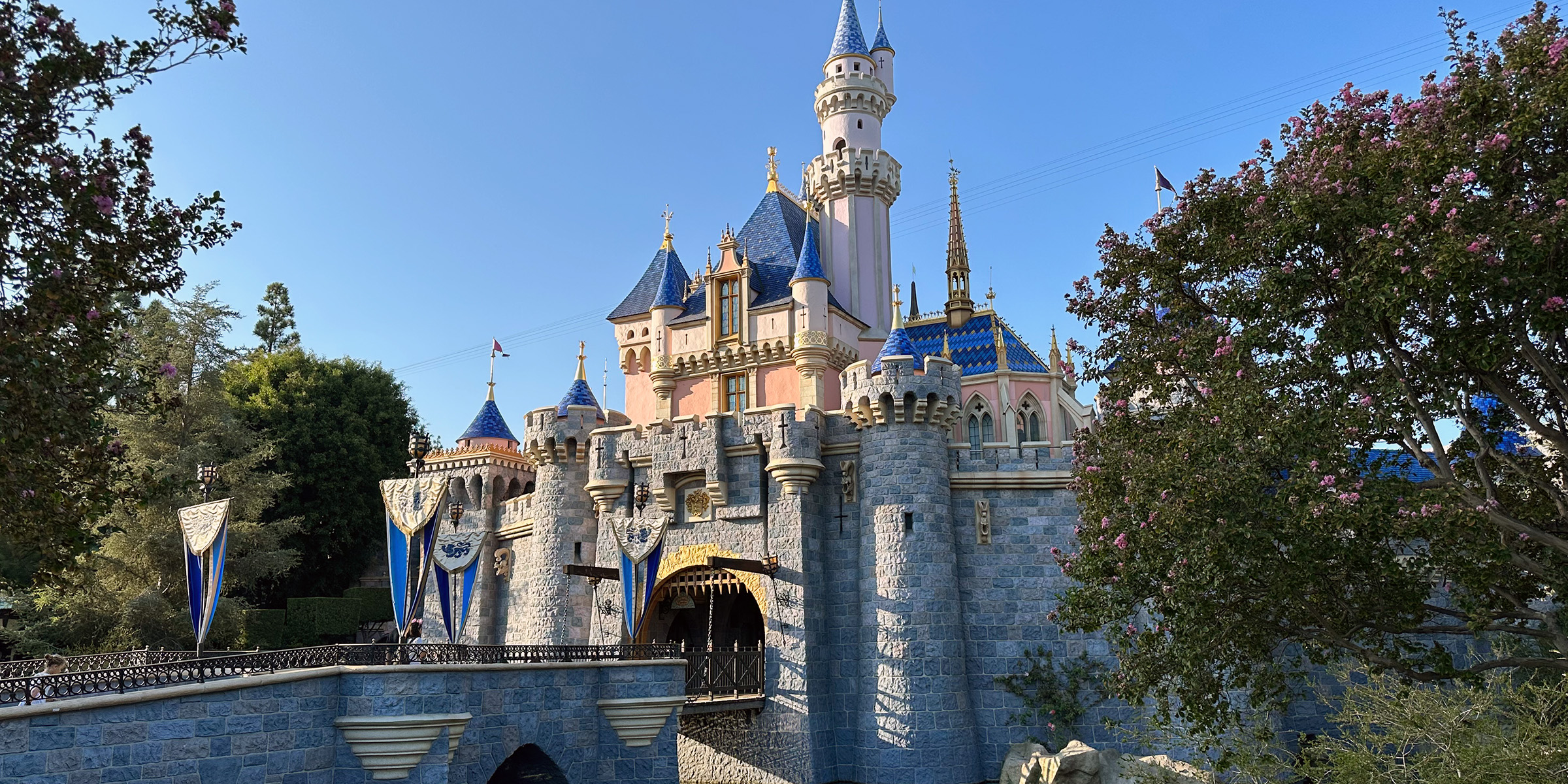
Disneyland Park is a collection of adventures, rides, and shows symbolized by the Disney characters and Sleeping Beauty Castle. It's divided into eight subareas, or "lands," arranged around a central hub. First encountered is Main Street, U.S.A., which connects the Disneyland entrance with the central hub. Moving clockwise around the hub, the other lands are Adventureland, New Orleans Square, Frontierland, Fantasyland, and Tomorrowland. two major lands, critter country and new orleans square, are accessible via Adventureland and Frontierland but do not connect directly with the central hub. Another land, Mickey's Toontown, connects to Fantasyland. All eight lands will be described in detail later.
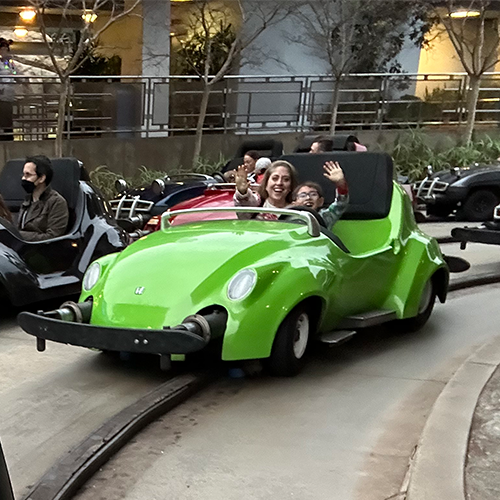
Growth and change at Disneyland (until 1996) had been internal, in marked contrast to the ever-enlarging development of Walt Disney World near orlando, Florida. Until recently, when something new was added at Disneyland, something old had to go. the Disney engineers, to their credit, however, have never been shy about disturbing the status quo. Patrons of the park's earlier, modest years are amazed by the transformation. gone are the days of the "magical little park" with the Monsanto House of the Future, flying saucer–style bumper cars, donkey riders, and Captain Hook's Pirate Ship. Substituted in a process of continuous evolution and modernization are state-of-the-art fourth-, fifth-, and sixth-generation attractions and entertainment. To paraphrase Walt Disney, Disneyland will never stop changing as long as there are new ideas to explore.
Disneyland Park was arguably Walt Disney's riskiest venture. It was developed on a shoestring budget and made possible only through Disney's relationship with ABC television and a handful of brave corporate sponsors. the capital available was barely sufficient to acquire the property and build the park; nothing was leftover for the development of hotels or the acquisition and improvement of property adjoining the park. Even the Disneyland Hotel, connected to the theme park by monorail, was owned and operated by a third party until 1989.
Disneyland's success spawned a wave of development that rapidly surrounded the theme park with whimsically themed mom-and-pop motels, souvenir stands, and fast-food restaurants. Disney, still deep in debt, looked on in abject shock, powerless to intervene. In fact, the Disneyland experience was etched so deeply into the Disney corporate consciousness that Walt purchased 27,500 acres and established his own autonomous development district in Florida (unaccountable to any local or county authority) when he was ready to launch Walt Disney World.
Though the Florida project gave Disney the opportunity to develop a destination resort in a totally controlled environment, the steady decline of the area encircling Disneyland continued to rankle Walt. After tolerating the blight for 30 years, the Walt Disney Company (finally flush with funds and ready for a good fight) set about putting Disneyland Park right. quietly at first, then aggressively, Disney began buying up the mom-and-pop motels, as well as the few remaining orange and vegetable groves near the park.
In June 1993 the City of Anaheim adopted a Disney plan that called for the development of a new Disney destination resort, including a second theme park situated in what was once the Disneyland parking lot; a Disney-owned hotel district with 4,600 hotel rooms; two new parking facilities; and improvements, including extensive landscaping of the streets that provide access to the complex. City of Anaheim, Orange County, and State of California infrastructure changes required to support the expanded Disney presence included widening I-5, building new interchanges, moving a major power line, adding new sewer systems, and expanding utilities capacity.
By the end of 2000, all of the changes, modifications, and additions were finished, and Disneyland began the new century as a complete multitheme park resort destination. the second and newest park, Disney California Adventure (or DCA to the initiated), celebrated its grand opening on February 8, 2001.
The entrances to Disneyland Park and DCA face each other across a palm-studded pedestrian plaza called the Esplanade, which begins at Harbor Boulevard and runs west, between the parks, passing into Downtown Disney, a dining, shopping, entertainment, and nightlife venue. From Downtown Disney, the Esplanade continues via an overpass across Downtown Drive and past the monorail station to the Disneyland and Paradise Pier hotels.
Sandwiched between the Esplanade and Downtown Disney on the north and DCA on the south is the 945-room Grand Californian Hotel and the 50-unit Grand Californian Villas. Designed in the image of rustic national-park lodges, the Grand Californian supplants the Disneyland Hotel as Disneyland's prestigious lodging property.
North of the hotels and across West Street from Disneyland Park is a huge multistory parking garage that can be accessed directly from I-5. this is where most Disneyland guests park. tram transport is provided from the garage, the adjacent oversize-vehicle lot, and from outlying lots to the Esplanade. Kennels are located by the parking garage. ticket booths are situated along the Esplanade.